Katherine supervises a student making a sketch of the church.
________________________
In 1955 artist Diego Rivera visited Álamos, sent this letter to María Félix, and sketched her house at it looked at that time. Two years earlier María posed at the front of that house.
Glimpses of life in Álamos
The "Álamos revival" began in 1947 when Levant Alcorn, a dairy farmer from Pennsylvania who loved Mexico and traveled extensively throughout the country, made an unplanned visit here and fell in love with what was then a tiny, dusty town with ruins left from its glorious past. He purchased the Almada mansion on the plaza and turned it into a hotel, inviting friends and family to come to this colonial town and restore it to what it had once been: a charming, prosperous village on the slope of the Sierra Madre mountains.
North Americans came to Álamos, buying large houses at bargain prices and hiring local laborers and craftsmen to return these mansions to their previous elegance. Quickly a foreign community emerged, which was enriched by the native Mexican culture and provided jobs to expand the local economy. Álamos had fewer than 2,000 people when Levant Alcorn came; in a short time that population doubled—and doubled again. While there was always a cultural separation between the native and foreign communities, the bonds of friendship, respect, and love traveled back and forth—creating the mixed, tranquil, harmonous community of 10,000 people we have today.
One project of the Álamos History Association has been to conduct interviews of members of both communities to share their memories and note changes from their earliest experiences in Sonora. These interviews have been conducted from 1994 to the present day, and the project continues as members and friends of our association gather information from the past. The interviews are listed in alphabetical order.
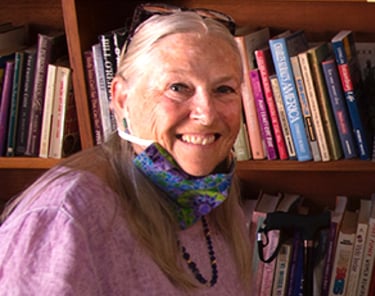
Lorna Acosta first came to Álamos during her childhood, and later married her "childhood sweetheart" Antonio Acosta. She raised her family here, and formed "Amigos de Educación" to help the youth of this community.
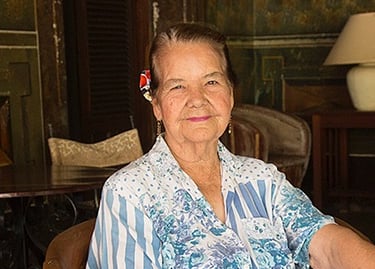
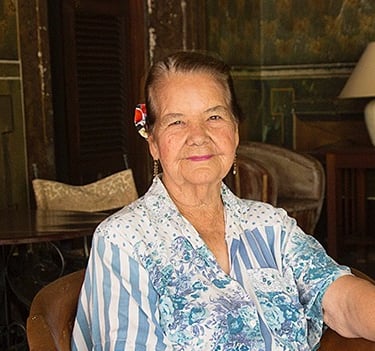
Anna María Alcorn was a teenager when Levant Alcorn needed an English speaking receptionist in his new hotel, "Los Portales." Yhey later married and she helped carry out the "Álamos revival."
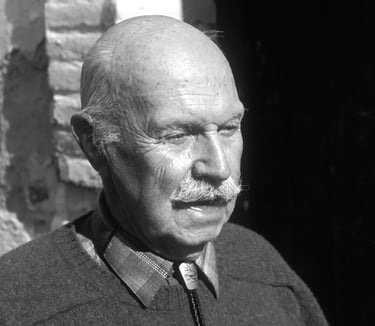
Levant Alcorn was a Pennsylvania dairy farmer who loved Mexico and discovered Álamos completely by accident in 1947. His impact turned this town from a dusty ruin to a tourist destination.
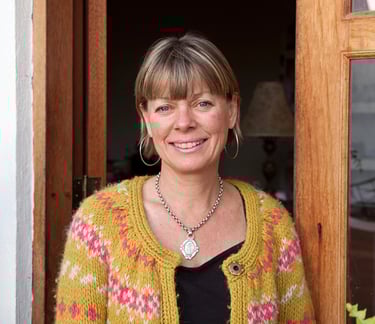
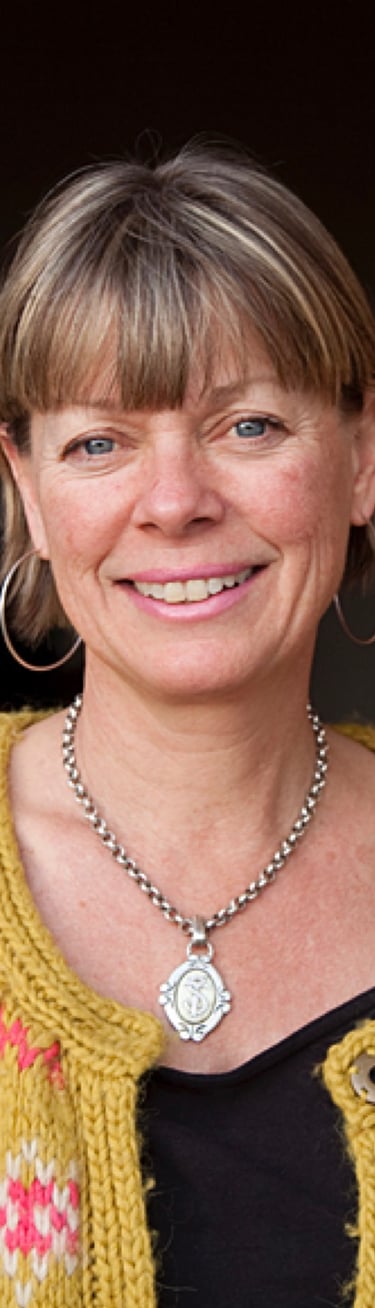
Teri Arnold visited Álamos in 1979 as a student, a guest of Pember and Elizabeth Nuzum. She made numerous visits and in 1987 bought a house with her mother—and opened the Puerta Roja Inn.
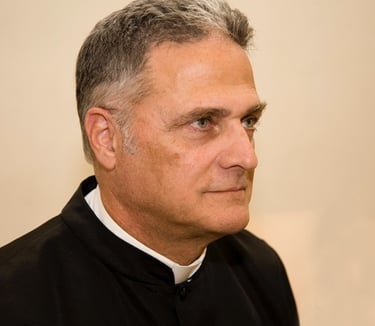
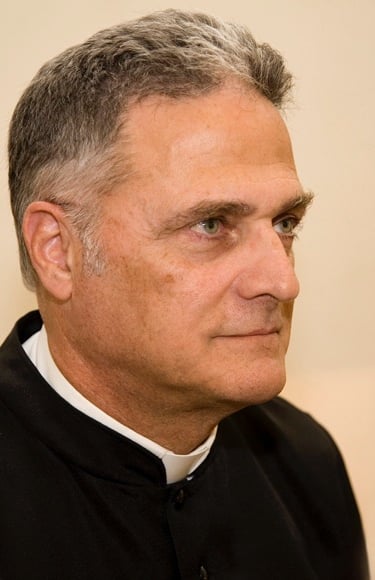
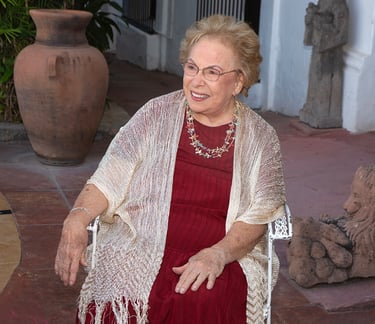
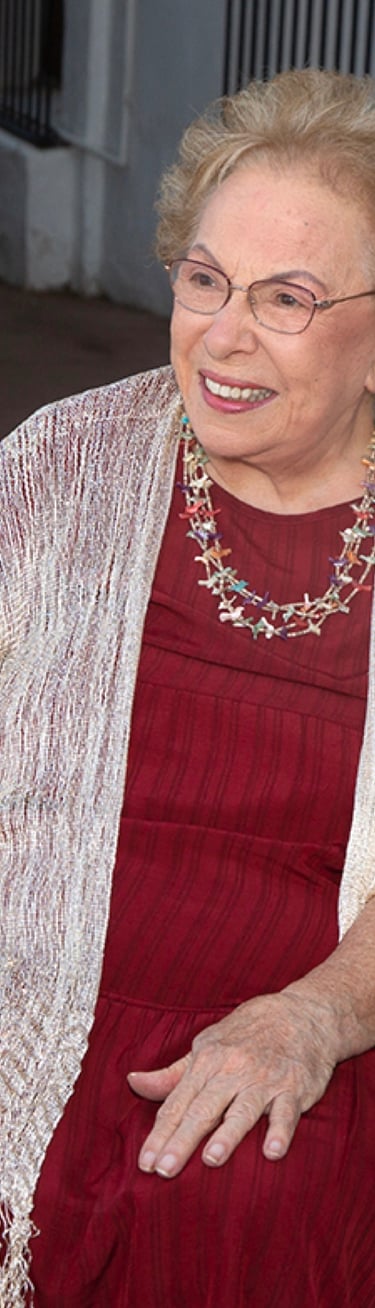
Father Charles Carpenter of the Missionaries of Fátima came to Álamos in 1977 when his order, under the ministry of the Diocese of Obregón, gained residency of the former Macías house and property. He has served this community for nearly a half century.
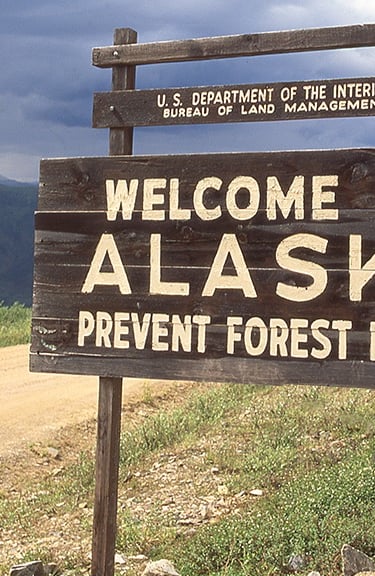
Diane Carpenter, an author, educatior, and politican from Alaska, Learned of Alamos when her son was selected for an exchange bringing Alaskan students to Mexico. She and her husband bought a house during that short visit, and she has worked tirelessly in our community.
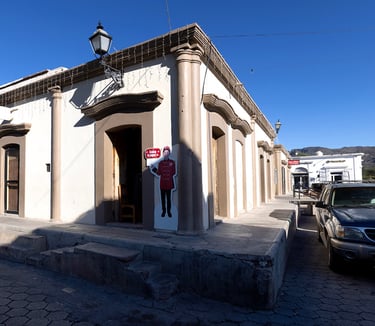
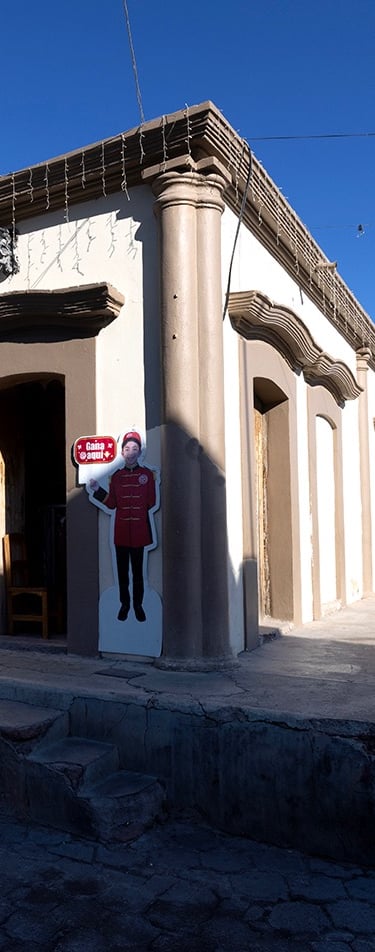
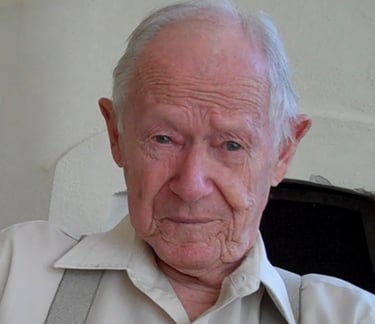
Joe Curry was an explorer in China and South America before searching for abandoned mines in Sonora. He came to Álamos in the early 1950s and found many treasures, including Berta Olivas, who became his wife.
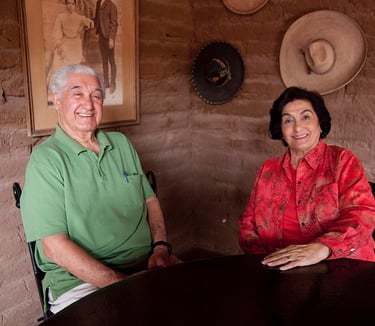
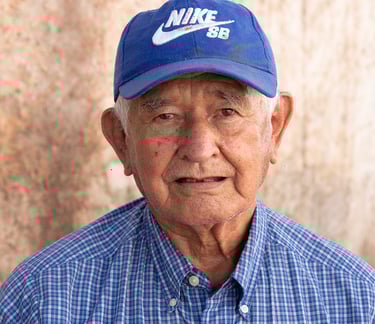
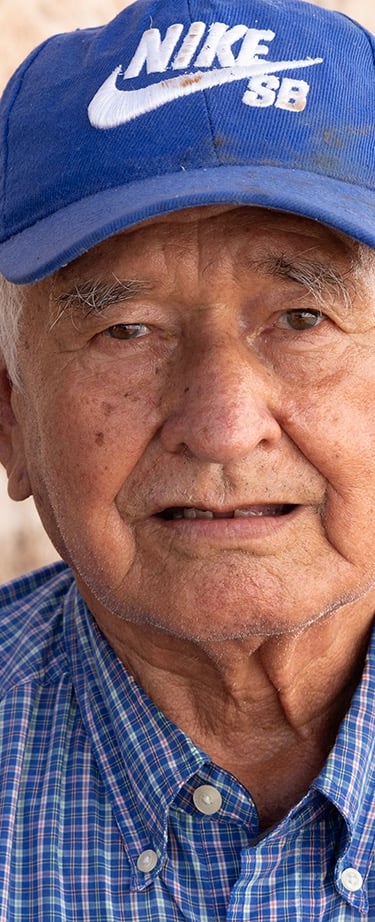
David and Carmen Díaz learned of Álamos through Carmen's brother, who bought a house here and encouraged them to visit. Since buying a house in Tacubaya in 1987, they have assisted the History Association and the community in many ways.
Nemesio Figueroa is a cabinet maker who lives in the barrio La Campana. Since 2004 he has worked with the History Association to map the tunnels beneath our street—constructed more than 200 years ago and abandoned during the 19th century.
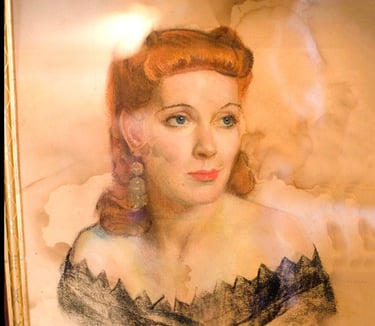
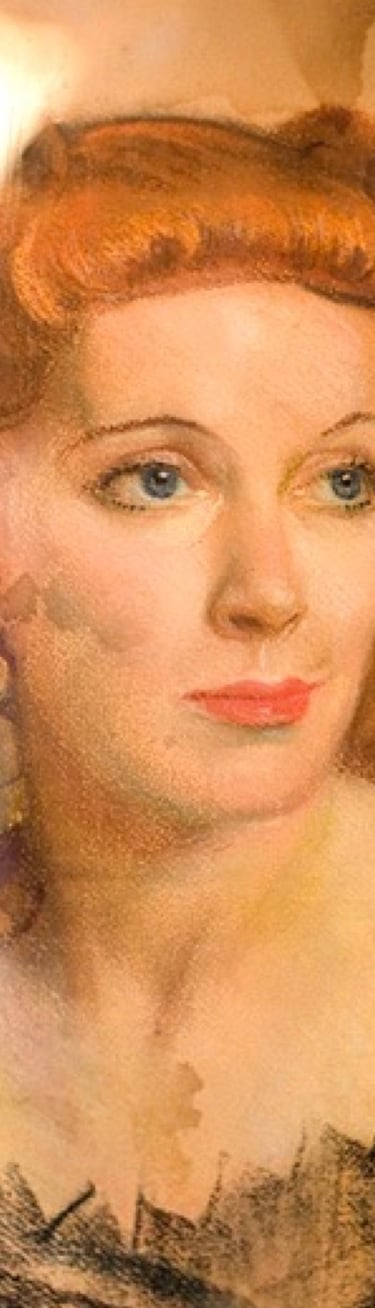
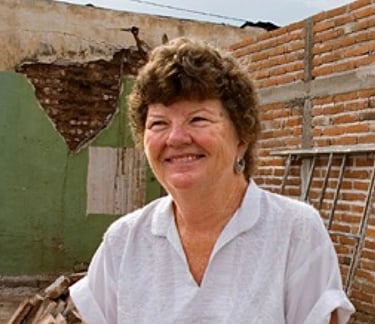
Margo Findlay was a dancer and artist who discovered, with her husband Hal, Álamos in 1956. They purchased a house that year, and she remained here for more than 50 years—creating art, and teaching others to enjoy art.
Phyllis Florek saw Álamos for the first time as a school girl (age 13), visiting her father who had a mining business in Sonora. After working many years in the U.S. she returned to buy a house–and later a ranch—and became a part of the community.
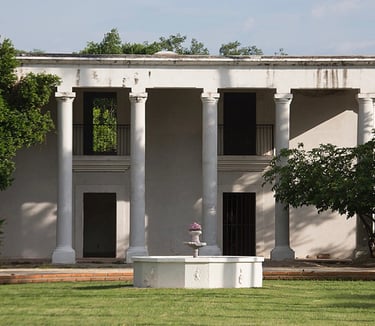
Ida Luisa Franklin bought the Las Delicias ruin in 1956 and spent several year restoring it. She became intrigued with Álamos history and published four books—the most significant, perhaps, being "The Ghosts of Álamos."
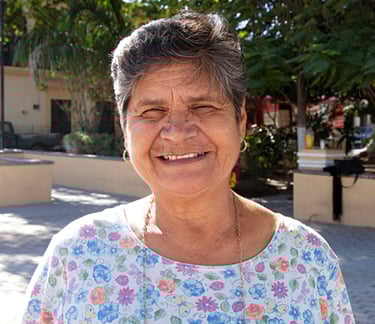
Lupita García is one of 14 children raised by Niebas Escalante and Ramón García, and has spent her entire life in our community—working at a number of jobs while raising four children.
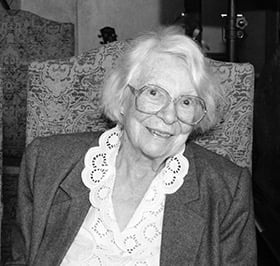
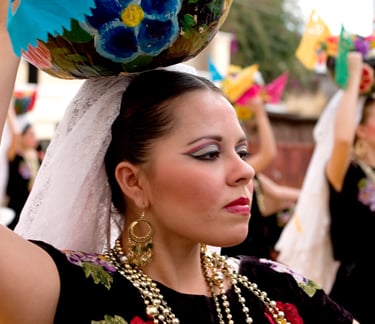
Leila Gillette came to Álamos upon her retirement and immediately embarked on a new career as a writer and historian. Her "Stately Homes of Álamos" had five editions, and she was a charter member of the Álamos History Association.
Al Harkins came to Mexico in the 1990s after his retirement, and he submitted two essays on his impressions of Álamos and Mexico to the History Association—which are published here.
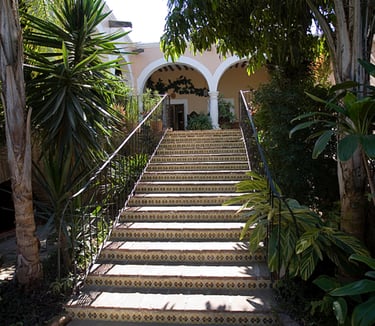
Richard Howells bought the Ciudadela (the citadel) in 1991—one of the oldest buildings in Álamos. At different times the building has been a fort, a prison, and a Royal Treasury where silver from the mines was stored.
Dorothy Intorf came to Álamos in 1963 after reading a travel column on Sonora. She writes about who was who and how the foreign community lived in those days when Álamos was a quiet, sleepy town
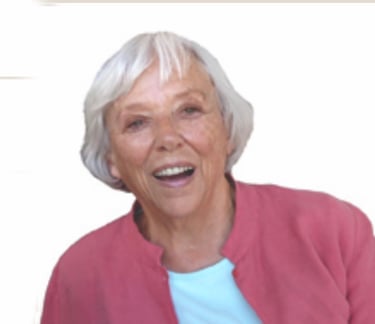
Vicki Lockwood was a student at th University of Mexico during the violent demonstratations of 1968—the year the olympic games were held in Mexico City. In a History Association interview, she talks about those experiences.
Donna Love knew nothing about Álamos until a friend suggested she visit the "city of the portales" because she loved the arches of Mexican architecture. She came in 1988 and became a part of the community.
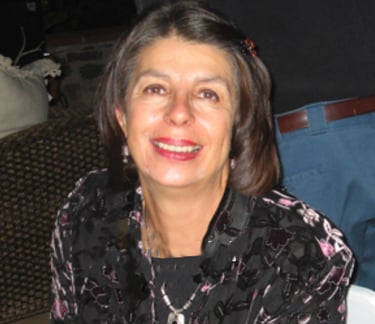
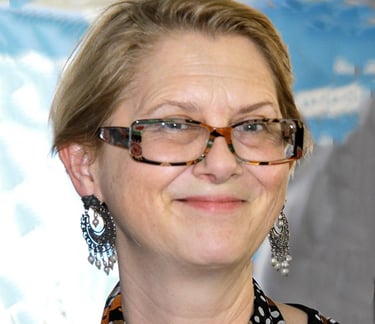
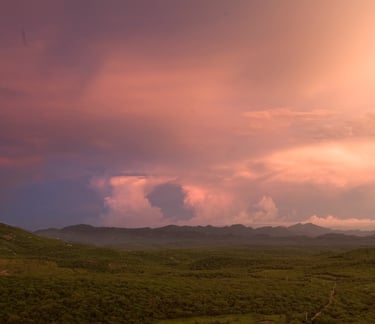
C. M. Mayo is an American literary journalist, novelist, memoirist, short story writer, poet, podcaster and noted literary translator of contemporary Mexican fiction and poetry. She spoke at a History Association meeting in 2010.
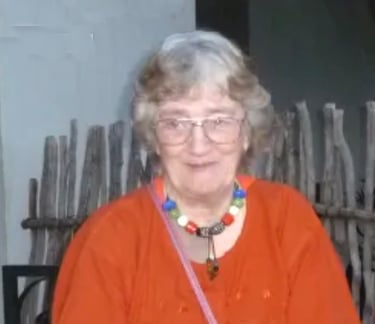
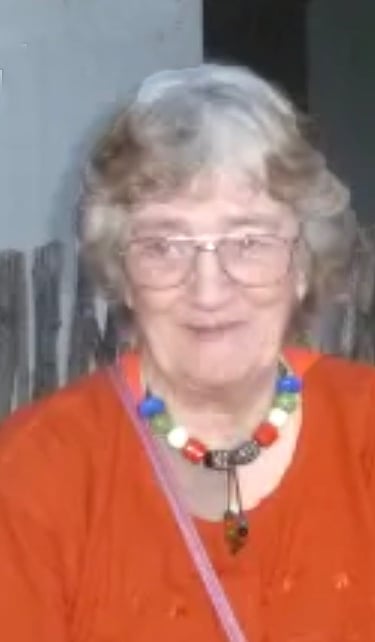
Judy McClain and Dr. Mary Thompson flew to Álamos in 1979 to inspect a house being offered to Mary to settle a debt. They were skeptical at first, but took it—and made Álamos their home away from home.
Doris Mellon was asked to write her impressions of Álamos, and what she penned was a series of outrageous and comical episodes that are hard to take at face value. But they are quite interesting!
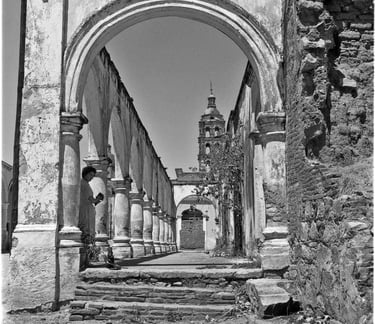
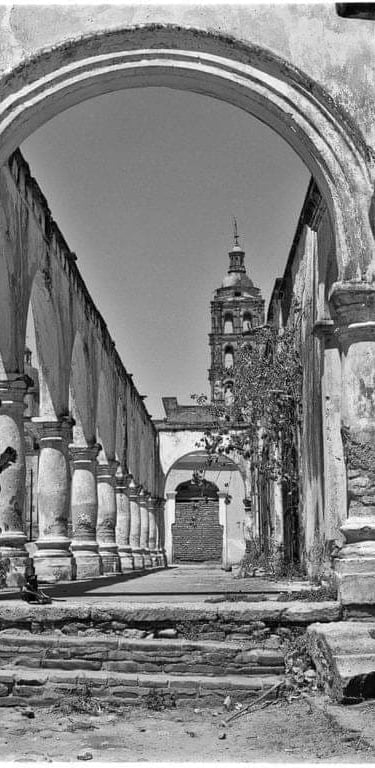
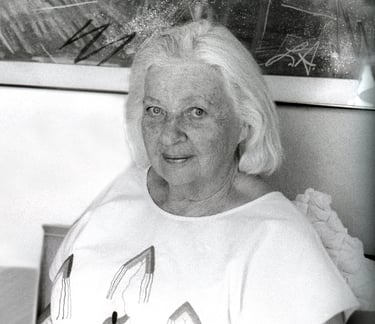
María Morales de Morales was born in Álamos in 1895, and her two daughters and brother shared details of her life in an interview with Bev Krucek of the History Association in 2004.
Elizabeth Nuzum used her enormous energy to further opportunities for Álamos youth through scholarships, job training, or one-on-one tutoring. She and her husband Pember bought a large ruin at #2 Comercio Street in 1969.
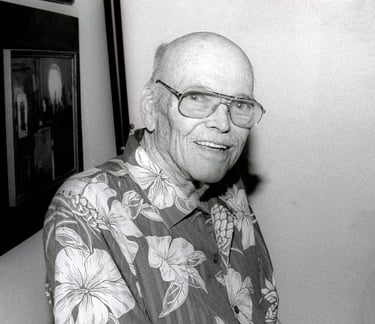
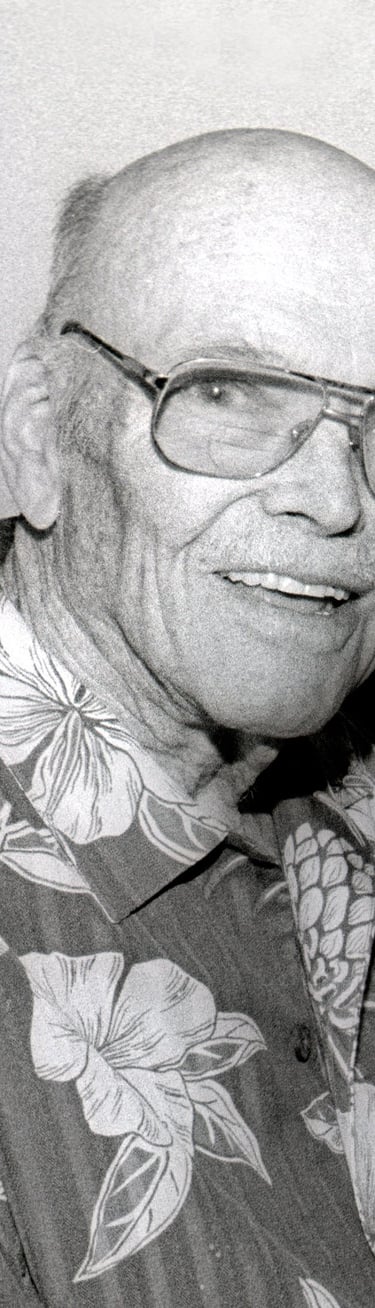


Pember Nuzum had an organ with three manuals which he played daily for his own enjoyment, and he also was a regular customer at the Tesoros Hotel restaurant and bar! He was an active member of many Álamos organization.
Rene Olguin bought La Huerta near the airport when he and his wife were in their 30s. He writes about a home secluded and quiet, and living in Álamos where there was little for his age group to enjoy.
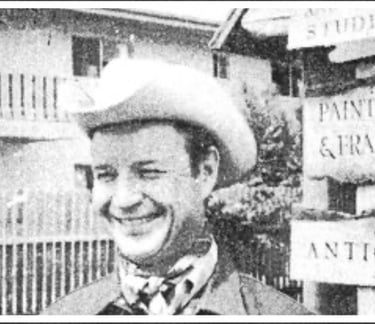
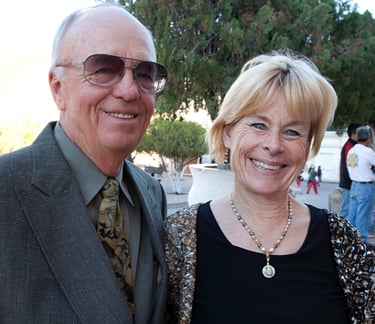
Allen Pendergraft was en Episcopal priest who retired from the ministry after his wife's death and turned to art to heal his grief. With his cousin Peter Carroll he bought a home in Álamos and produced paintings which were sold locally and abroad.
Bill and Emily Preece bought a house on Comercio Street in 1987, and they now divide their time between Álamos and New Mexico. Emily has published a book on lfe here entitled "Over These Cobblestones."
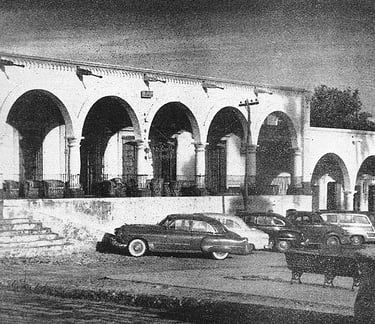
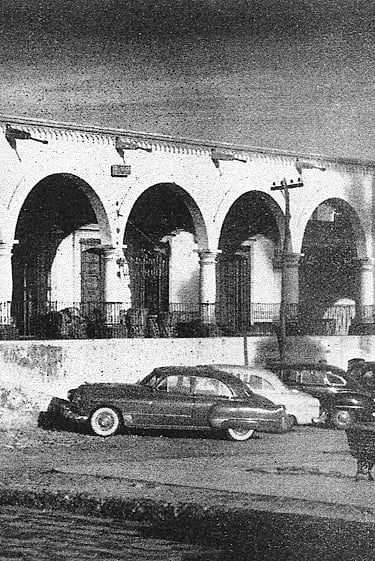
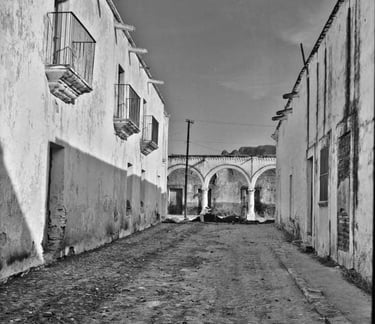
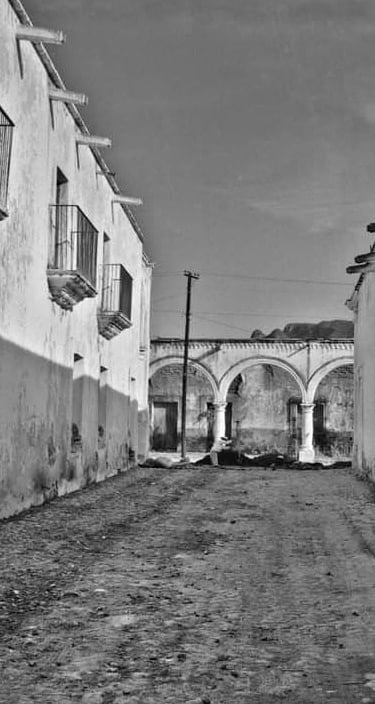
Ron Perry visited Álamos with a college friend in 1955. He learned about Álamos from his uncle, a mining engineer, and the two young men stayed at the Portales Hotel and met Levant Alcorn. Years later he bought a house.
John Pugh's parents were Baptist missionaries in Álamos from 1951 to 1961, and he spent his childhood here. He said it was difficult to be "accepted" by the school boys, but he became bilingual and later worked for Immigration and naturalization in California.
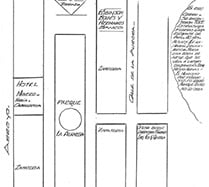
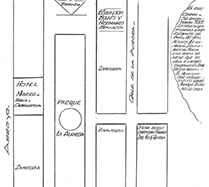
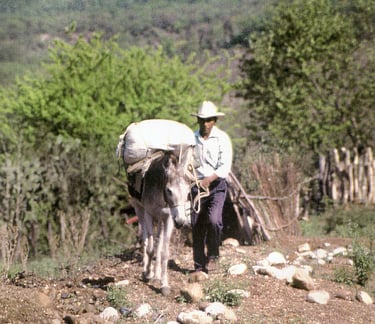
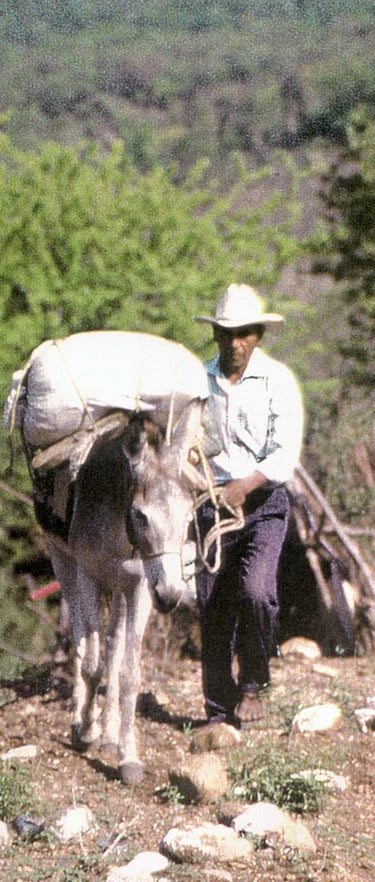

Francisco H Quiroga U. of Obregón wrote a letter to the Álamos History Association in 2007 about living in Álamos from 1928-1935. He submitted two sketches with his letter, and a portion of his drawing of the Plaza Alameda is at left.
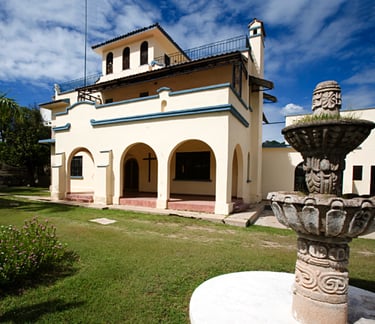
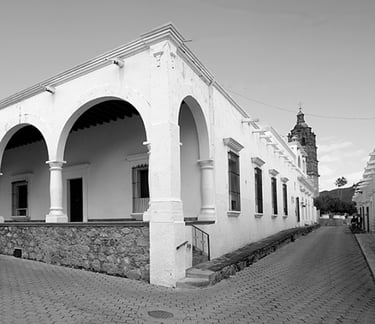
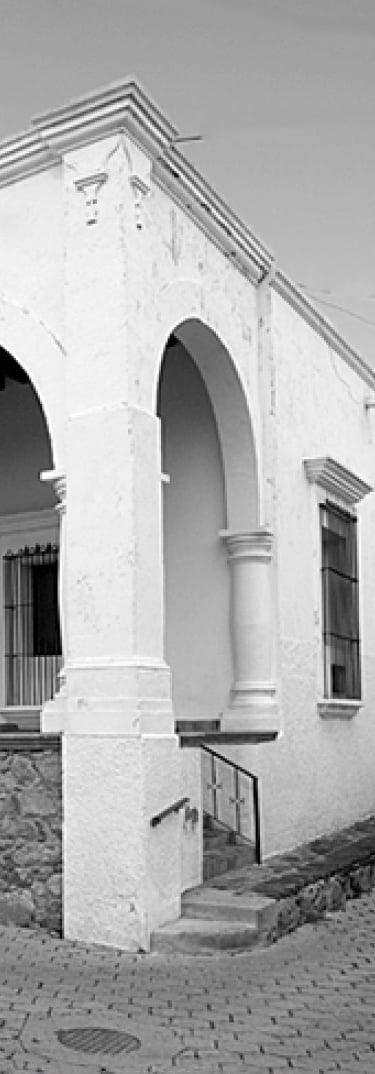
María Francesca Macías Escalante de Sánchez arrived in Álamos in 1929, married in 1931, and lived here the rest of her life. She was the niece of former governor Anselmo Macías, who lived in what is now the home office of the Misioneros de Fátima (photo at left).
Marta Sanchez' direction in life was shaped by Elizabeth Nuzum and Hilde Aragón, who taught her English and the business skills necessary to run a gift shop. She also helped with the formation of the city library and Amigos de educación.
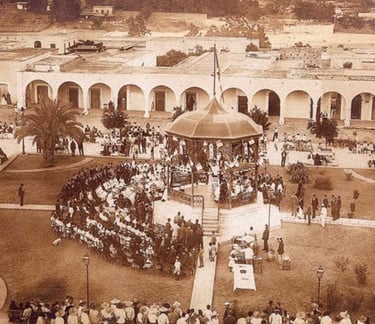
Panfilio Santini was on the Álamos city council when the kiosk on the Plaza de Armas was dedicated in 1904 (photo at left). The Santini family history was outlined to the History Association in a 2008 presentation by Jorge Santini, Panfilio's grandson..
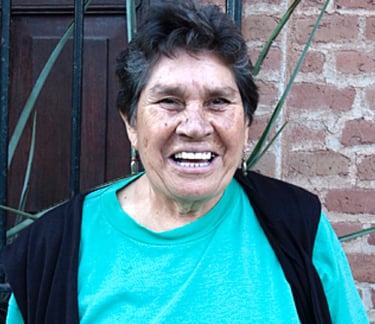
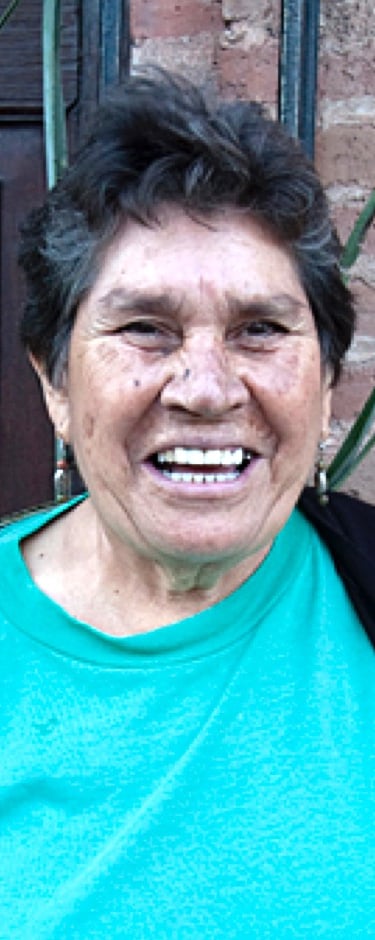
Richard Schneider first visited the Guarijío communities near Mesa Verde (Northern Sonora) in 1982, and he has traveled to these communities numerous times since then. He related some of his experiences with the Guarijío tribe in a 2010 interviewa with Joan Winderman.
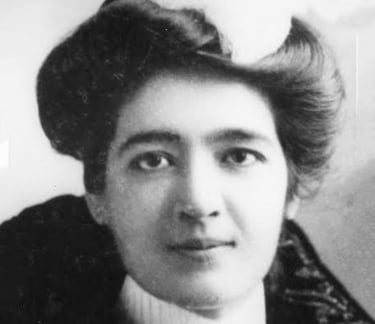
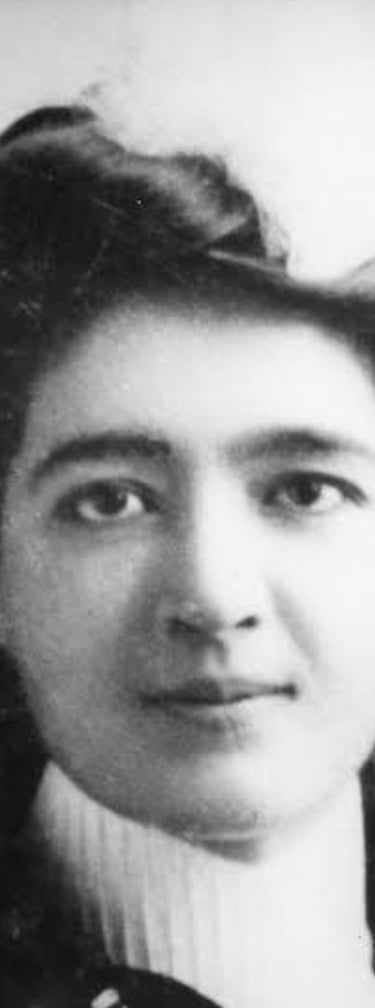
Bertha Teilechea de Urrea was a descencent of Tomás Urrea, who fathered the famous Teresita de Cabora (photo at left). Tomás' daughter attracted a following across Mexico for her healing powers, but was expelled from the country by President Porfirio Díez and died in 1906 at age 33.
Alicia Urrea Almada took members of the Álamos History Association through the home at #5 Guadalupe Victoiria where she lived from 1929 to 1935. In this 1997 interview she talked about how the house had changed, and shared memories of her life in Álamos at that time.
Otilia Urrea de Figueroa grew up in Álamos during the years before the 1910 Revolution. In this 1990 interview with Bev Krucek when, Otilia, at Age 90, had returned to her former home and shared stories of her family.
Hector Valencia first came to Álamos in 1969, bought the Ortiz Tirado house in 1972. and remained in Álamos for the next 40 years. In his interview he talks about the foreign community in the 1970s-1980s.
Hortensia Vega Navarrette and 10 members of her extended family returned to Álamos in 1997 so that Hortensia, her brother, and her sister could see town where they lived from 1928 through the 1940s. IIn thr 1930s Hortensia worked in the "silk factory," then housed in the building at left.
Juan Vidal has been a schoolteacher, a musician (founder of the Estudiantinas), directed numerous programs at city hall, and published a book on the history of Álamos: Álamos por los Siglos. He was interviewed in 2009 by Ellen Price.
Don and Dorothy Wilcox were among a number of Alaskans who discovered the beauty of Álamos and made the pueblo mágico their part-time home. In this interview Dorothy explains how th Alaska connection was made.
Delia Ríos Topete and Louis Weitzman bought a ranch west of Álamos for Dee's parents. They loved Álamos and decided to stay, starting a business in agriculture and running a restaurant, Caracol, which became famous in the foreign community,
Heriberto Maximiano Carrazco Figueroa, or “Beto,” had a stall selling vegetables in the city market (photo at left), and his religious ferver and love for art were apparent to all those who visited his place of business.
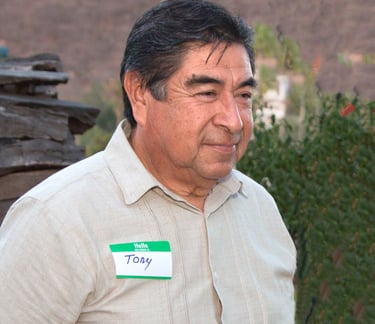
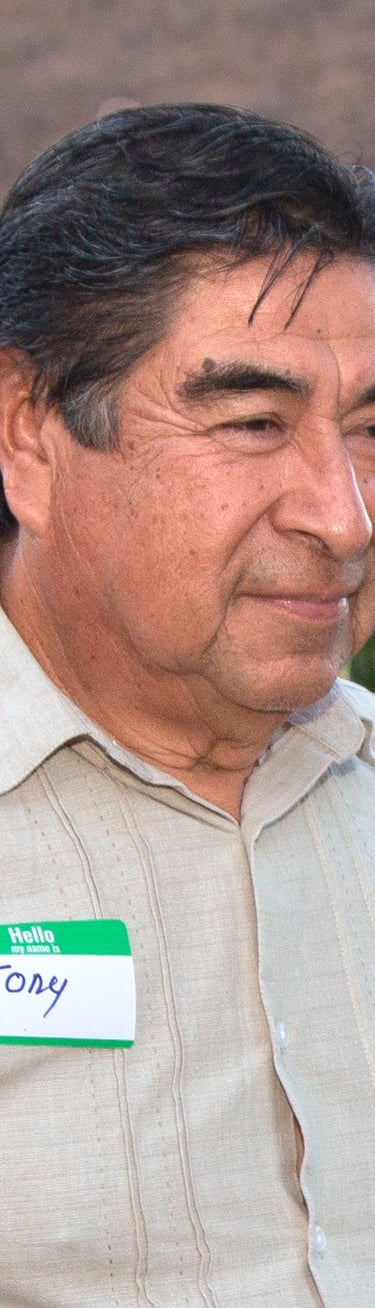
Antonio Estrada was appointed Álamos librarian while still in high school, and in 1985 he became the first director of El Museo Costumbrista de Sonora. Tony expanded the museum's mission to include cultural and community activities.
Peter McAllister has traveled through and written about the fragile environment of Álamos and Sonora. This 2005 presentation to our Association discusses a recent visit to Novapatia, an estuary near Sinaloa.

Interviews with Alamenses
___________________________________________________________