Projects for Youth
Álamos History Association in classrooms
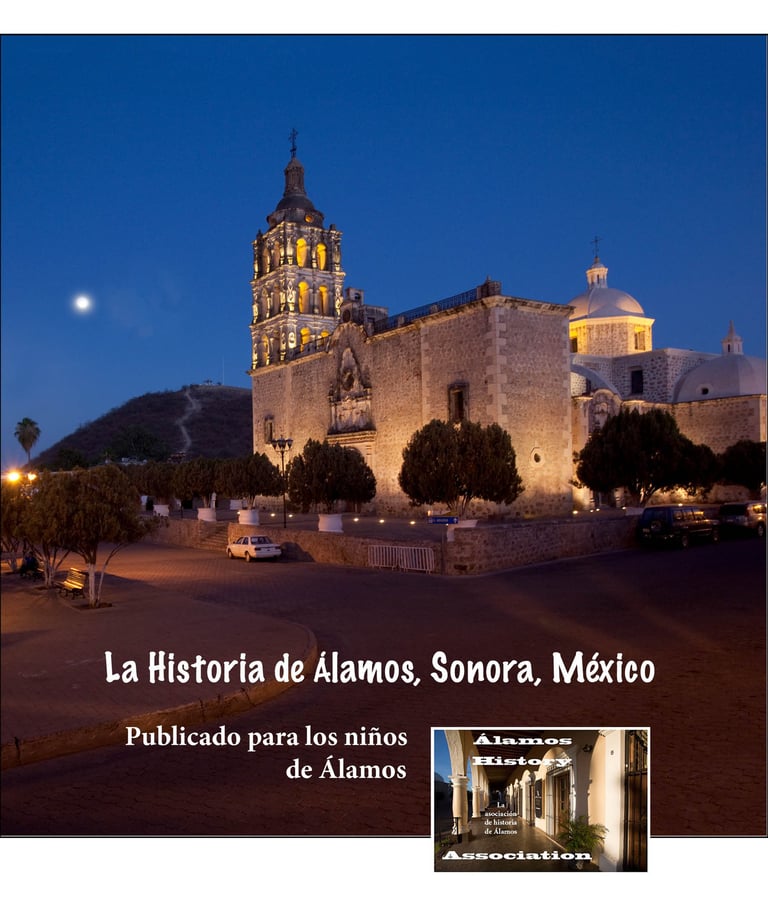
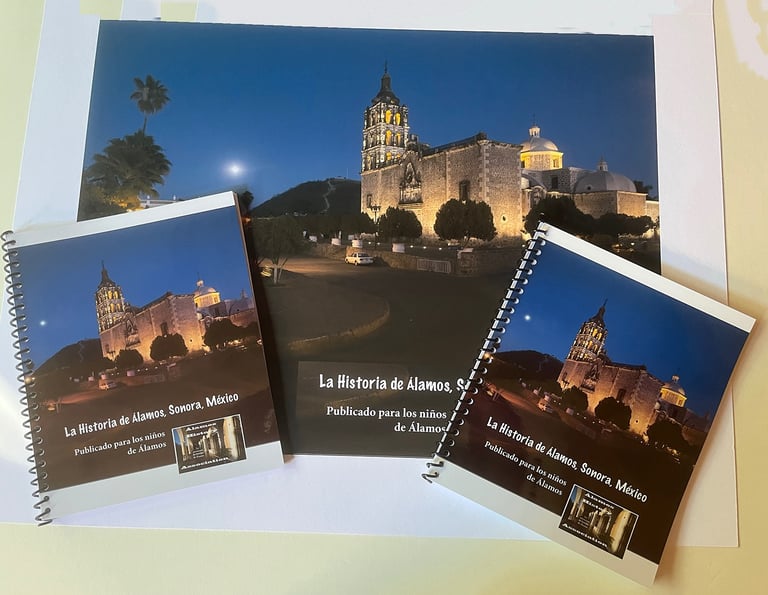
Álamos History book for 5th Grade Students
In 2023 the Álamos History Association began a two year project to create a bilingual textbook for Álamos elementary school students. Carolyn Zimmerman, a retired elementary school teacher, and AHA board member/photographer Errol Zimmerman wrote the text and took the pictures, following the major topics of the History Association's publication “Guía para Visitar el Álamos Histórico.” First printed in 2018, with a second edition in 2022, the guide covers the historical events of Álamos from the 17th century to present day. After meeting with teachers and principals and then spending two years writing, photographing, and checking resources, a 68-page bilingual textbook was created—which includes student activity exercises for each chapter of the book.
After final checks by Álamos city officials and the town's historian, the book was printed locally (Navojoa, Sonora) and distributed to students in November, 2025. Each public and private school fifth grader received a copy, which will be theirs to keep. While teachers will use the book in the classroom, at the end of the year the book will go to students' homes where other family members can read it and appreciate the cultural heritage of the "pueblo Mágico of Álamos.
Funding for the book came from the generosity of the many friends and members of the Álamos History Association, and AHA plans to continue publishing the book for the foreseeable future. While there has been interest in the Álamos community to buy this book, the History Association has determined to keep it solely for the use of teachers and students.
En 2023, la Asociación de Historia de Álamos inició un proyecto de dos años para crear un libro de texto bilingüe para los estudiantes de primaria de Álamos. Carolyn Zimmerman, maestra de primaria jubilada, y Errol Zimmerman, fotógrafo y miembro de la junta directiva de la AHA, escribieron el texto y tomaron las fotografías, siguiendo los temas principales de la publicación de la Asociación de Historia, “Guía para Visitar el Álamos Histórico”. Impresa por primera vez en 2018 y con una segunda edición en 2022, la guía abarca los acontecimientos históricos de Álamos desde el siglo XVII hasta la actualidad. Tras reunirse con maestros y directores, y dedicar dos años a escribir, fotografiar y revisar recursos, se creó un libro de texto bilingüe de 68 páginas, que incluye ejercicios para los estudiantes en cada capítulo.
Tras las revisiones finales realizadas por las autoridades municipales de Álamos y el historiador del pueblo, el libro se imprimió localmente (Navojoa, Sonora) y se distribuyó a los estudiantes en noviembre de 2025. Cada alumno de quinto grado de escuelas públicas y privadas recibió un ejemplar, que será suyo. Si bien los maestros lo usarán en el aula, al final del año se entregará a los hogares de los estudiantes, donde otros familiares podrán leerlo y apreciar el patrimonio cultural del "Pueblo Mágico de Álamos".
La financiación del libro provino de la generosidad de numerosos amigos y miembros de la Asociación de Historia de Álamos, y la AHA planea continuar publicándolo en el futuro próximo. Si bien la comunidad de Álamos ha mostrado interés en adquirir este libro, la Asociación de Historia ha decidido conservarlo exclusivamente para el uso de maestros y estudiantes.
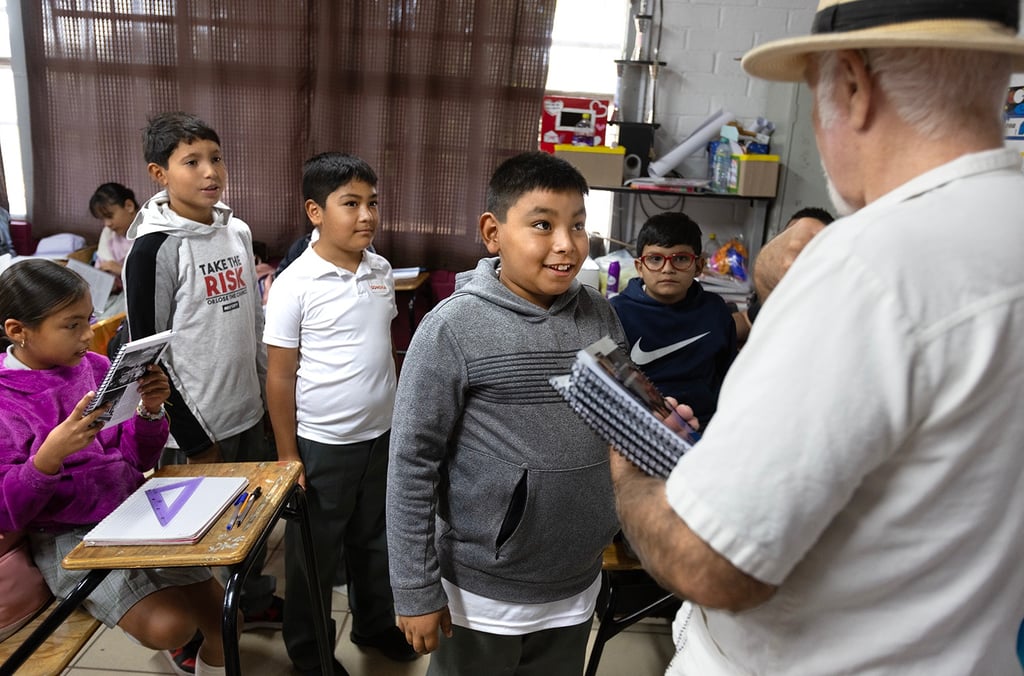
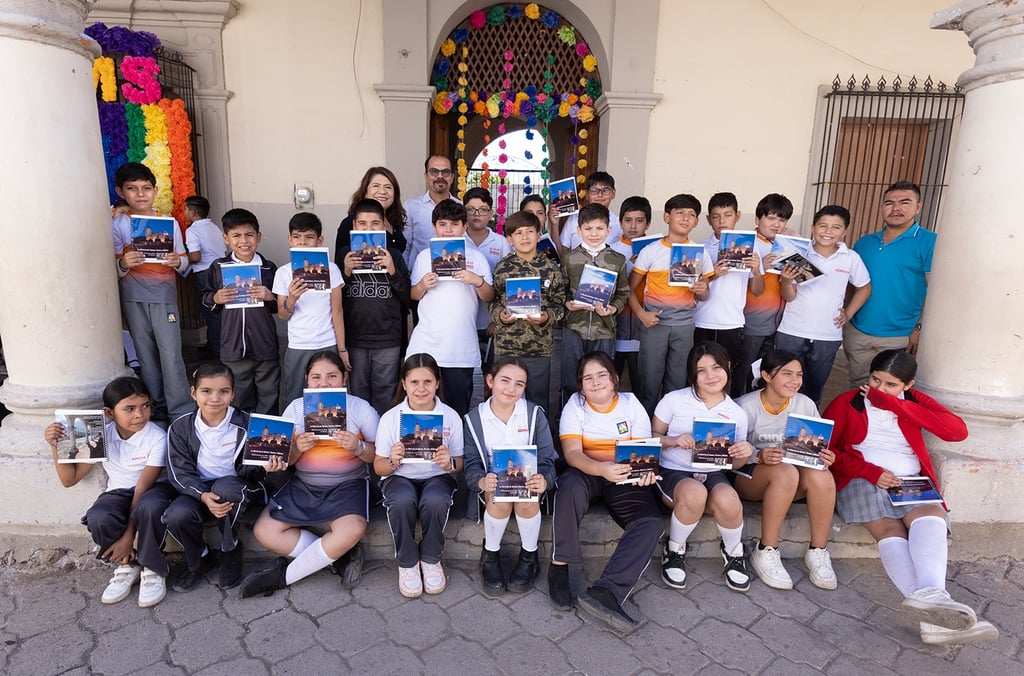
History Association President David Warnest gives a book to students at Revolución school
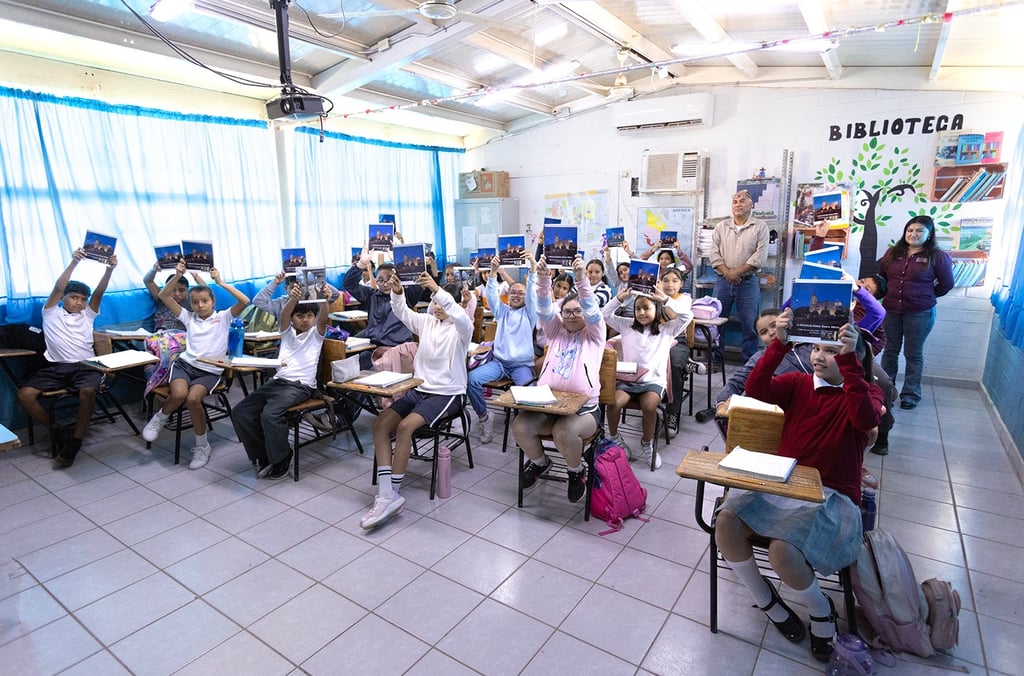
Bartolomé school classroom
Revolución school classroom
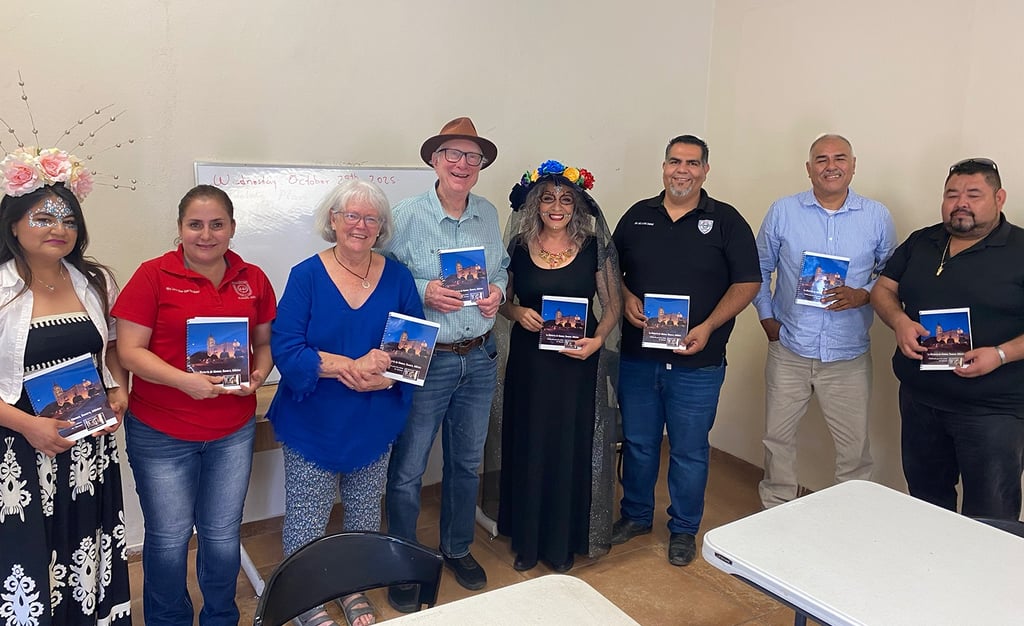
Errol and Carolyn Zimmerman (center) with 5th grade teachers and school directors
________________________
Family interviews
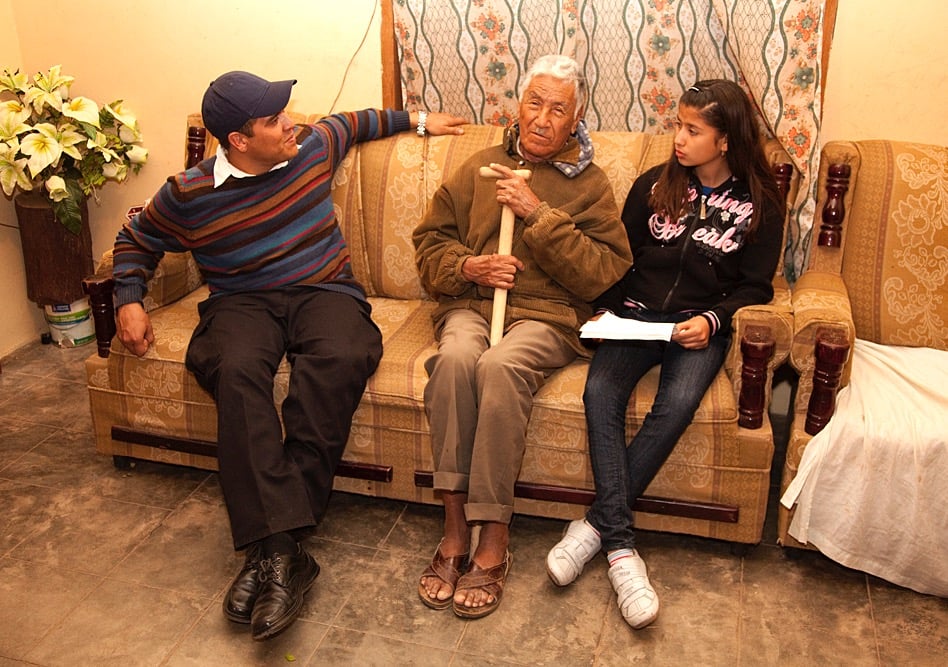
With the help of Álamos educator and History Association board member Trini Rangel, the Álamos History Association has gathered information on family histories through student interviews.
Trini and AHA prepared a list of questions about life in Álamos and Sonora which his students asked in interviews with their oldest living relatives. In this age of cell phones, television, and the Internet, students have learned about how people lived before the modern conveniences of today. Grandparents have talked about life without electricity, running water, and automobiles. How were letters delivered before there was postal service? Students learned that people going to Navojoa or other towns in Sonora (often by horseback) would take letters from their neighbors and make deliveries.
Among the most interesting answers students received related to food. Older relatives told about preparing food before refrigerators and moderns stoves, and the popular dishes enjoyed at feast days and other religious celebrations. They discussed harvesting corn, making tortillas, and cooking with firewood.
The goal is to videotape and transcribe all of these interviews, then keep all the videos and written material stored and accessible in the Research library. It has been cumbersome to gather and organize this information, and many more volunteers are needed to keep the project going. The information we have gathered so far has enriched our understanding of the small, self-sufficient community of Álamos.
Con la ayuda de Trini Rangel, educador de Álamos y miembro de la junta directiva de la Asociación de Historia, la Asociación recopiló información sobre historias familiares mediante entrevistas a estudiantes.
Trini y AHA prepararon una lista de preguntas sobre la vida en Álamos y Sonora, que sus estudiantes formularon en entrevistas con sus parientes más ancianos. En la era de los celulares, la televisión e internet, los estudiantes han aprendido cómo vivía la gente antes de las comodidades modernas. Los abuelos han hablado de la vida sin electricidad, agua corriente ni automóviles. ¿Cómo se repartían las cartas antes del servicio postal? Los estudiantes aprendieron que la gente que iba a Navojoa u otros pueblos de Sonora (a menudo a caballo) llevaba cartas de sus vecinos y las repartía.
Entre las respuestas más interesantes que recibieron los estudiantes se relacionaron con la comida. Los parientes mayores hablaron sobre la preparación de alimentos antes de los refrigeradores y las estufas modernas, y sobre los platillos populares que se disfrutaban en las fiestas y otras celebraciones religiosas. Hablaron sobre la cosecha de maíz, la preparación de tortillas y la cocina con leña.
El objetivo es grabar y transcribir todas estas entrevistas, y luego mantener todos los videos y el material escrito almacenados y accesibles en la biblioteca de investigación. Recopilar y organizar esta información ha sido complejo, y se necesitan muchos más voluntarios para continuar el proyecto. La información recopilada hasta ahora ha enriquecido nuestra comprensión de la pequeña y autosuficiente comunidad de Álamos.
La financiación del libro provino de la generosidad de numerosos amigos y miembros de la Asociación de Historia de Álamos, y la AHA planea continuar publicándolo en el futuro próximo. Si bien la comunidad de Álamos ha mostrado interés en adquirir este libro, la Asociación de Historia ha decidido conservarlo exclusivamente para el uso de maestros y estudiantes.
________________________
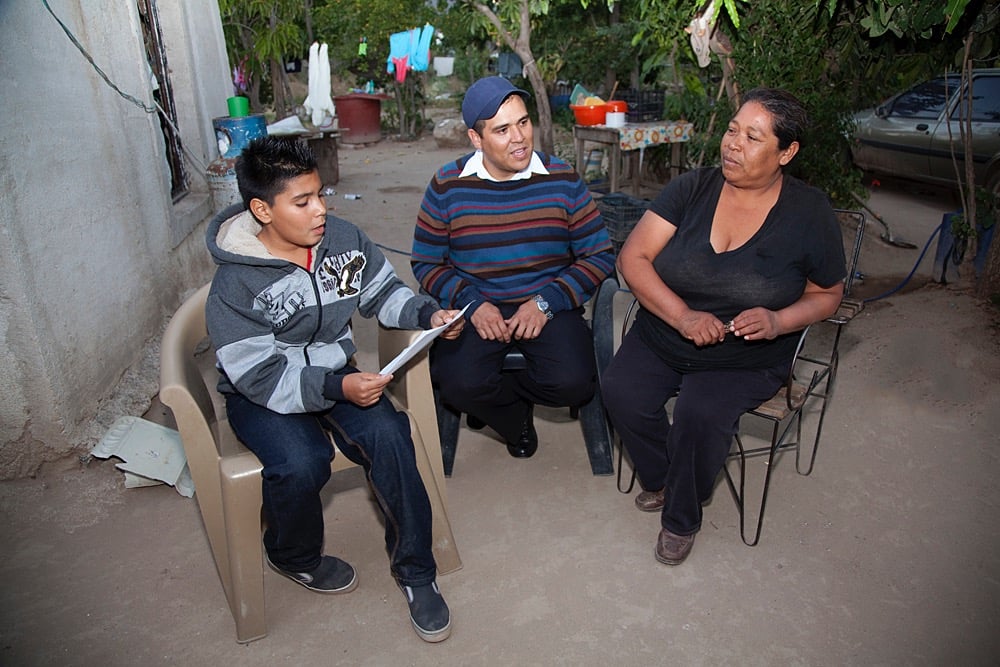
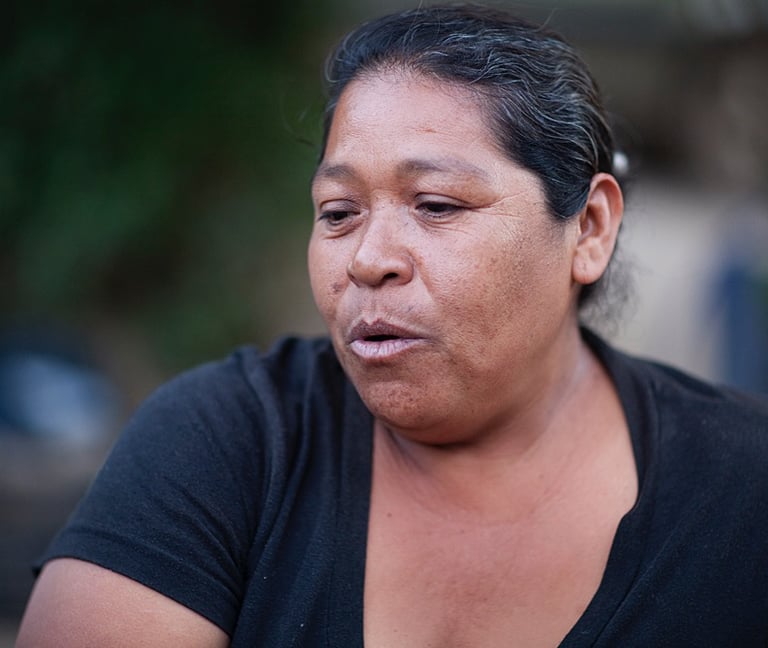
Rosa Idalia Tovar is interviewed by her grandson, Zaquiel Zamorano with Trini Rangel (center)
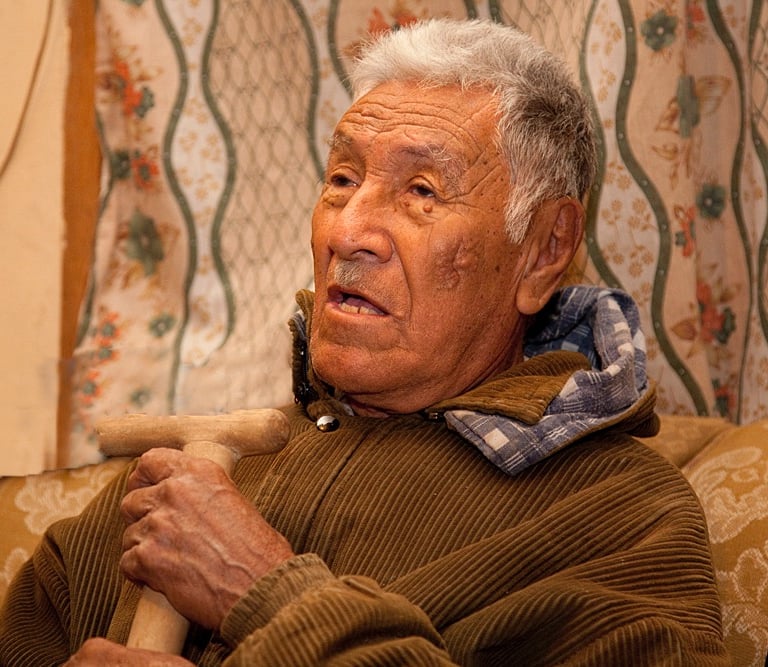
Yadira del Carmen Zamorano interviews her grandfather, Porfirio Jatomea Villegas with Trini Rangel at left
Grandparents have appreciated this opportunity to share their life experiences with their grandchildren.
Katherine Callingham has coordinated student art projects and exchanges since she came to Álamos in 2005. She regularly volunteers her time helping elementary students in the classroom, and through the Álamos-Scottsdale (AZ) Sister Cities program she organizes annual exchanges where Álamos young people spend time with host families in Scottsdale—and Scottsdale students travel to Mexico. Working with many local artist, Katherine shares her expertise and enthusiasm for art with the community youth.
School Art projects
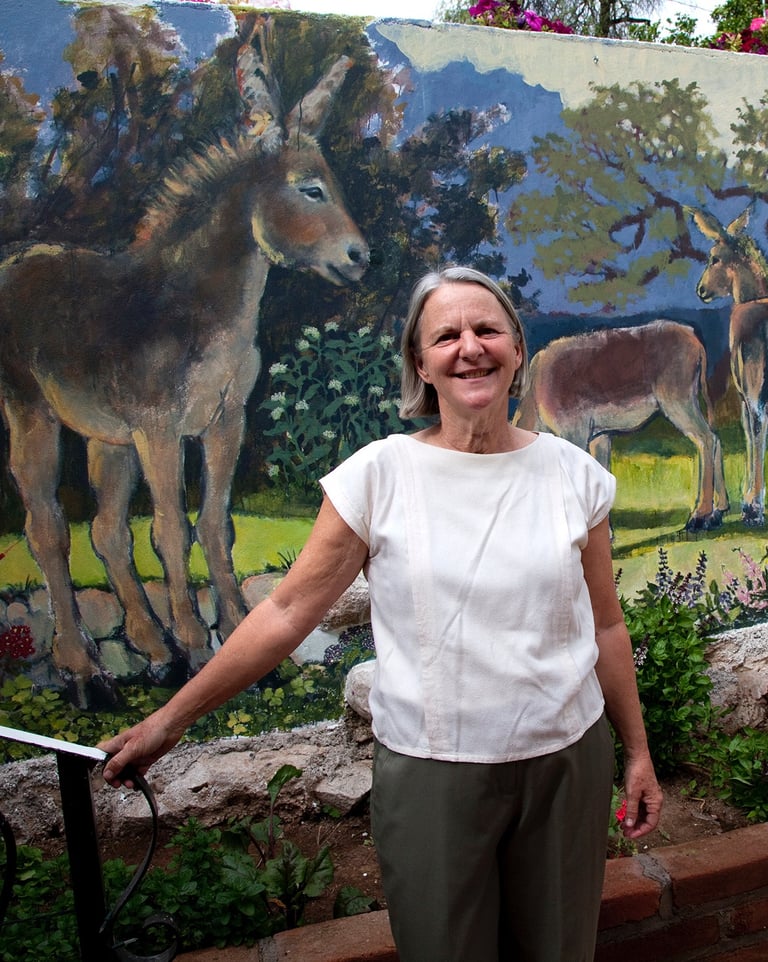
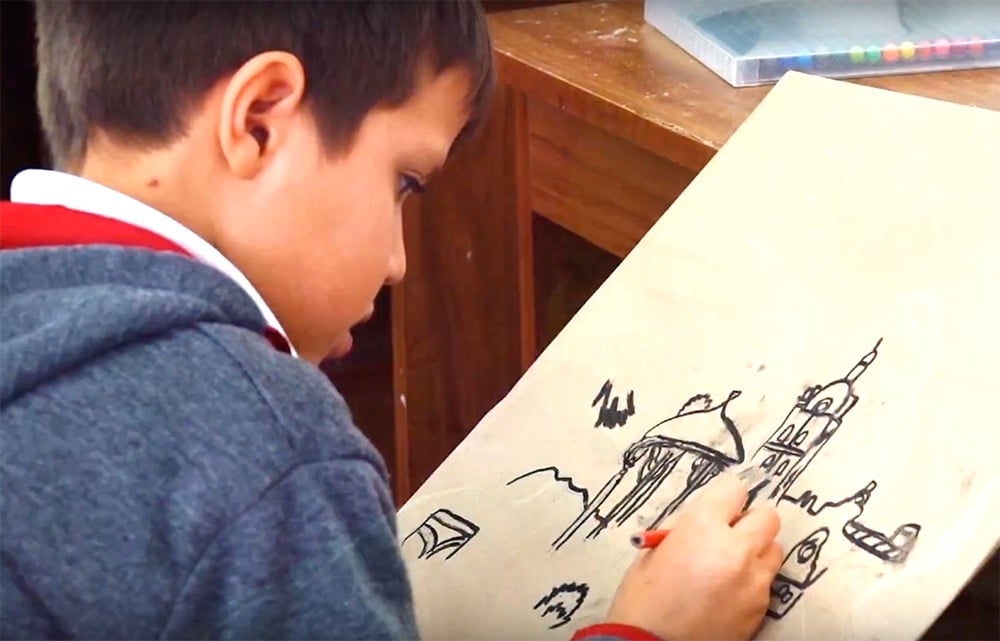
Katherine supervises a student making a sketch of the church.